
STEP BY STEP

Self-Publishing

Write with purpose. Start with a single, clear idea and let everything else grow around it. Lead with what you want your reader to think or feel, then expand with concrete details, vivid scenes, and careful craft. If imagination runs wild, bring it back to that core purpose so every sentence serves the vision.
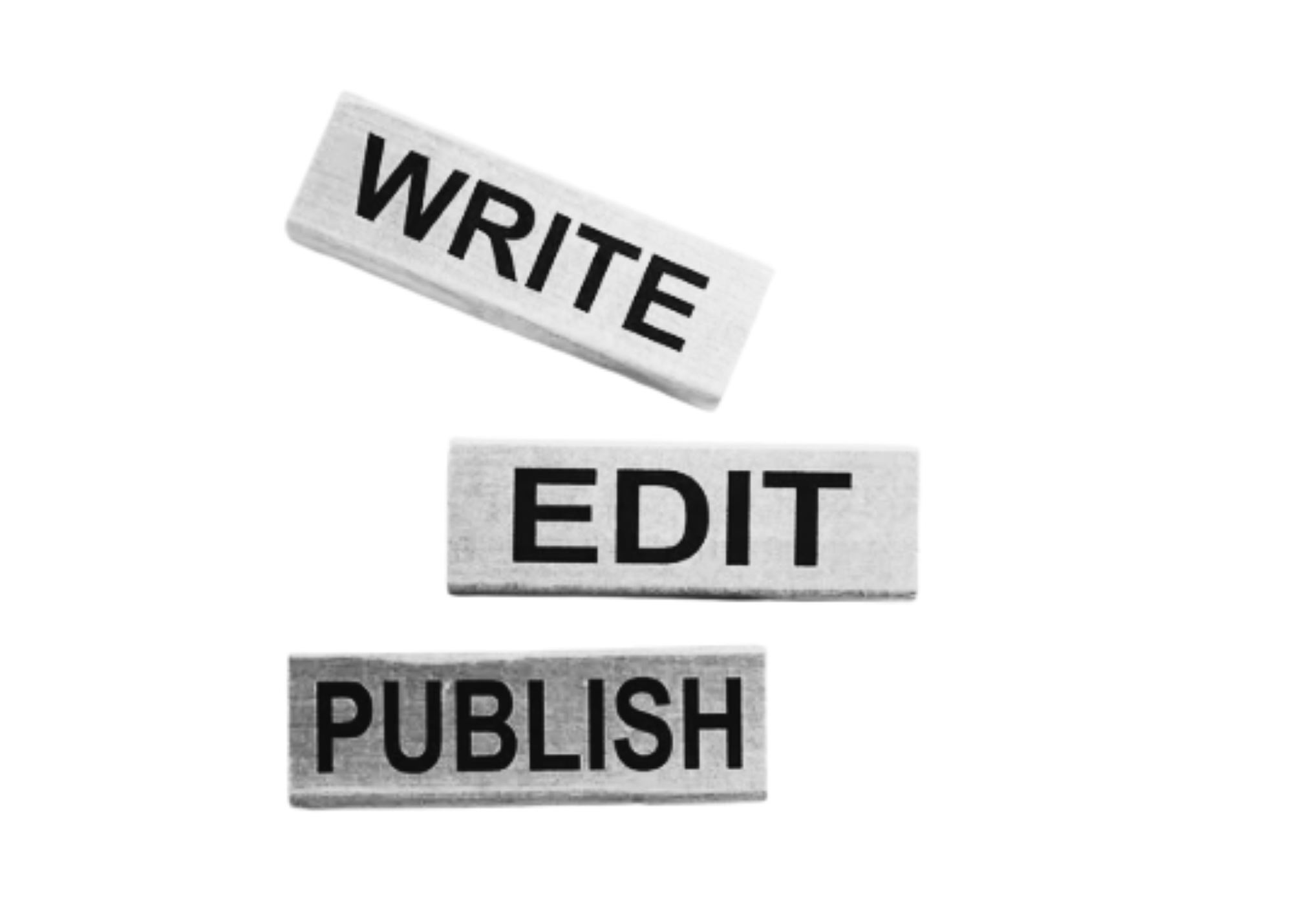

self-publishing:

Self-publishing is publishing media you create directly, without a traditional publishing house, giving you control over writing, editing, design, formatting, distribution, and rights.

Self-Publishing 101 for Amazon Creators

Self-publishing allows authors to bring their work directly to readers without going through a traditional publishing house. This means you maintain full control over your writing, editing, design, formatting, distribution, and rights. On Amazon, self-publishing is most commonly done through Kindle Direct Publishing (KDP), which enables authors to publish eBooks, paperbacks, and hardcovers while retaining full ownership of their work. The appeal is clear: faster time to market, creative control, higher royalty potential, and the flexibility to publish in multiple formats.

Step 1: Plan and Prepare

Before publishing, take time to clearly define your strategy.

-Identify your target audience.Decide on your book format (eBook, paperback, hardcover, or multiple).

-Set a pricing strategy, including potential promotions and regional pricing.

-Finalize your manuscript and prepare all assets, including cover design, formatted interior files, and metadata (title, keywords, description, author bio).

A polished manuscript is essential in today’s competitive self-publishing landscape.

A professional editor helps refine structure, pacing, clarity, and consistency, ensuring your book meets reader expectations and stands out on Amazon.

What to look for in an editor:

-Editing scope: Developmental editing (structure and story), copyediting (grammar and clarity), and proofreading (final polish).

-Genre experience: Choose someone familiar with your genre and audience.

-Deliverables: Understand what you will receive, including feedback rounds and revisions.

Investing in editing not only improves your book—it builds reader trust and can significantly impact reviews and sales.

Presentation plays a major role in attracting readers.

-Create a professional cover that looks compelling both full-size and as a thumbnail.

-Format your interior for both print (margins, fonts, spacing) and eBook (responsive text, chapter flow, images)

-Prepare strong metadata, including a compelling book description, relevant keywords, and accurate categories.

Once your files are ready, you can upload your book through Kindle Direct Publishing.

-Enter your book details, including title, author name, and description.

-Upload your manuscript and cover files.

-Choose your formats (eBook, paperback, or both).

-Set pricing, distribution options, and territory rights.

-Use preview tools and order print proofs to catch any issues before publishing.

Publishing is just the beginning.

-Encourage reader reviews and feedback.

-Monitor performance and update keywords, categories, and pricing as needed.

-Plan promotions such as pre-orders, Kindle Countdown Deals, or advertising campaigns.

Supporting Subheading

Choosing the Right Editor

Finding the right editor ....

............. is a key part of your publishing success. Define your needs: developmental editing for big-picture structure or copyediting for sentence-level polish. Review sample edits, testimonials, and past work. Evaluate communication style, turnaround time, and revision policies.

Contact

Questions and enchanges welcomed

Patricia Lake